Top 5 myths about diabetes
Myth 1: Eating too much sugar causes diabetes
Most people know someone with diabetes. It is important for them to monitor their blood sugar to check glucose. What they don’t know is that eating too much sugar does NOT cause diabetes.
Maintaining a balanced lifestyle of exercise and healthy eating can help people with diabetes live fulfilling and happy lives. Sugar can be consumed by people with diabetes but in very limited amounts.
Myth 2: Diabetes is contagious
Although diabetes can be hereditary, it is not contagious. You can not catch diabetes, but you can develop type 2 diabetes through poor diet and lack of exercise. Diabetes is a disease, but it can not be transmitted in any way.
Learn more about type 1 and type 2 diabetes.
Myth 3: Diabetes can’t be controlled
Managing diabetes may not always be easy, but it can be done with healthy eating and regular exercise. Don’t get it twisted, eating can still be enjoyable and delicious. A diabetic may use a food diary to keep track of how different foods make them feel mentally, physically and emotionally.
They may also be mindful of the amount and kind of carbs they consume. While sugar from carbs does not cause diabetes, it can become a problem when consumed in excess.
Control of diabetes depends on the type of diabetes. Type 2 diabetes can be controlled by lifestyle changes or medications. But type 1 diabetes can only be controlled by injecting insulin.
Myth 4: Daily activities and habits don’t matter
Keeping a good balance of physical activity and eating balanced meals are essential parts of living life to the fullest for people with diabetes.
“Along with your diet and medications, regular physical activity is an important part of managing diabetes or dealing with prediabetes. When you’re active, your cells become more sensitive to insulin so it works more effectively. And you just feel better. And look better.”
The American Diabetes Association
Myth 6: You can stop your medicine at any time, and it won’t affect you.
This can be dangerous. It is very important to continue to take diabetes medication as prescribed. Blood glucose levels may rise to dangerous levels if diabetes medications are no longer taken. Uncontrolled diabetes can lead to stroke, blindness, and kidney damage.
Have you recently been diagnosed with diabetes? Do you need someone to walk you through an easy process of managing your disease so you can live your best life?
Click HERE NOW and take your happy life back!
Don’t Wait Until January 1st …Start Now
There is an old gospel song that says, “Don’t Wait Until the Battle is Over, Shout Now…Because in the end you gonna win.” That’s my message to you today. Do not wait until January 1st to start eating healthy, exercising, joining the gym, etc. It’s better to start...
Assumption of Risk and Release of Liability
I hereby acknowledge and agree: Assumption of Risk and Release of Liability Agreement Transportation, Home Visit, and Health Support Services This Assumption of Risk and Release of Liability Agreement is entered into by and between: Client...
HIPAA Notice of Privacy Practices
This notice describes how medical information about you may be used and disclosed by Totally About Diabetes and how you can get access to this information. Please review it carefully. Your Rights When it comes to your health information, you have certain rights. This...
Understanding A1C: What Your Numbers Really Mean and How to Improve Them
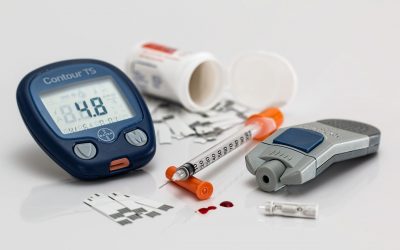
If you have been told your A1C is too high, or if you have been living with diabetes or prediabetes for a while and you still feel confused about what this number actually means, you are not alone. A1C is one of the most important lab values in diabetes care, but it...
The Secret Weapon Your Doctor Hasn’t Mentioned: Re-Wiring Your Brain for Easy Diabetes Success
We’ve all been there. After years of careful planning, maybe a career peak and family demands at an all-time high, a diabetes diagnosis can feel like yet another complex problem dropped into an already full lap. The instructions can feel overwhelming: Test this, eat...

Diabetes Diagnosis: What to Do After Hearing “You Have Diabetes”
Being newly diagnosed with diabetes or prediabetes can be life‑changing. One moment you’re just getting bloodwork, and the next your doctor says, *“You have diabetes—lose weight, eat healthy, and exercise.”* Then they walk out, leaving you with more questions than...

Why “Perfect Eating” Isn’t Required for Better Blood Sugar
There’s a quiet belief many people carry when working on blood sugar: If I could just eat perfectly, I’d finally get this under control. No slip-ups.No desserts.No carbs at the “wrong” time.No deviations from the plan. It sounds disciplined. Responsible. Committed....